Stress is a common part of modern, hectic life. It affects work, home, and relationships, with multiple triggers that often seem beyond our control.
Living with stress is a natural part of life, and most of us experience it as a reaction to a specific cause, such as disagreements, relationship issues, or work pressure. The gradually increasing impact of smaller problems can also raise stress levels, but in general, stress is something that fades over time.
Stress differs from anxiety, which is a feeling of worry that persists even after the stressful moment or period has passed. Such feelings can escalate into an anxiety disorder or depression.
Stress is a natural human function where the body releases hormones to prepare for the so-called ”fight or flight” response. We now live in a time where greater emphasis is placed on performance, material possessions, and status, which creates more stressors.
Social media can intensify stress levels, and the entire world has also been subjected to additional strain from the COVID-19 pandemic, which has altered many aspects of life that were once taken for granted.
Work is an obvious source of stress with deadlines and goals. A survey by the European Agency for Safety and Health at Work reported that 51% of workers experienced stress in their employment.
The EndStress.EU campaign launched by European trade unions states: “Stress has become an epidemic. More than half of all missed workdays in the EU are caused by work-related stress. It’s time for a new EU directive on psychosocial risks at work.”
Work, family, health, and friendships are interconnected and can all be sources of stress, but there are methods to reduce and manage the negative effects so that it does not develop into a serious condition.
Nine tips for managing stress:
- Follow a daily routineEstablishing a daily routine with specific times for relaxation and enjoyable moments, such as spending time with your children or pursuing hobbies, promotes a sense of control.
This is particularly useful during the COVID-19 pandemic, when things we take for granted have become uncertain. Repeated lockdowns mean that people work from home and children learn in shared spaces, increasing distance and disruptions in family dynamics. Setting boundaries and schedules provides clarity and can help reduce tension.
Mental Health Europe has launched a guide to help people manage stress during the pandemic, which remains relevant.
- Plan your workWorking remotely in busy family homes or shared or cramped living spaces creates new problems during COVID-19, but designing a daily work plan is always appropriate in the office or at home.
The Resilience Institute Europe recommends focused work sessions of 40 minutes followed by a 3-minute walk or stretch to keep the mind and body fresh.
Establishing a daily routine and structuring your work hours will promote a positive work-life balance. Planning your work and creating a routine helps you identify stress triggers and makes you more capable of reducing or eliminating them.
- Health supplements and medicationIf you feel overwhelmed, don’t hesitate to consult your healthcare provider and ask for a treatment plan tailored to your needs. Sometimes we may feel we can control situations on our own or even feel ashamed if we can’t cope, but we need to understand that sometimes we need support at the right time to handle and manage stressful moments in our lives.
- Limit social mediaSocial media offers many ways to stay in touch with family and friends, but the constant stream of grim news, misinformation, and the unbroken flow of posts can have a negative effect. People can easily feel upset that they can’t achieve certain lifestyles or accomplishments, which can lead to stress.
By monitoring your social media use, you can actively take control and minimize the consequences. Consider unfollowing accounts and feeds that cause a negative reaction and choose to reduce screen time.
Some devices send notifications when time limits are reached. It’s also helpful to place your phone in another room or turn it off to have periods without external influence.
- Stay connectedA support network of family, friends, and colleagues can lighten burdens and help promote a brighter perspective if something worries you. Therefore, it’s important not to isolate yourself.
This is where social media can be helpful, but talking to people on the phone or via an online platform provides additional personal contact. This gives you a chance to express your feelings and feel supported.
- Stay activePhysical activity is a well-established way to reduce stress. It can be as simple as taking regular breaks and moving around the house, walking the dog, or doing simple exercises at your desk or around your home.
The World Health Organization’s European Regional Office recommends 150 minutes of moderate-intensity physical activity or 75 minutes of vigorous-intensity activity per week, which equals 15 minutes a day.
Their latest advice includes:
- Go for a walk: Even in small spaces, you can stay active by walking in a circle or walking in place. If you’re talking on the phone, you can stand or walk around your home while talking, instead of sitting down.
- Stand up: Reduce sedentary time by standing when possible. Try to interrupt sitting or lying down every 30 minutes.
- Relax: Meditation and deep breathing can help you stay calm.
Exercise alleviates the effect of negative stress hormones and releases endorphins that stimulate the brain’s areas for reward and pleasure.
- Maintain a healthy dietAlcohol and caffeine should not be part of your stress management and should only be consumed in moderation.
A healthy diet containing fresh vegetables, lean protein sources, and foods rich in antioxidants is a way to reduce stress. By providing your body with the right fuel, you help it function at its best and minimize fatigue and poor health that underlie feelings of stress.
Some foods trigger the release of the stress hormone cortisol in the body, and research has shown that a Mediterranean diet can minimize the damage of cortisol. The Helena study of teenagers found: ”Better adherence to the Mediterranean diet can counteract the effect of stress-induced inflammation and reduce the risk of future mental health problems.”
- Be positiveBy being positive, you can counter negative thoughts and prevent stress from building up. But it requires practice and a framework to become part of your defense mechanism. It’s about identifying and removing the stressful things and people in your life and focusing on people who have a positive impact on your well-being.
Not everything in life and work will always go smoothly, so it’s important to accept setbacks and put them into perspective. Being positive is about dealing with problems but also finding a way to move forward rather than holding on to periods that can become detrimental.
”In life, there is always a solution to every problem,” says Professor Sir Cary Cooper, Professor of Organizational Psychology and Health at the University of Manchester, England. ”Not taking control of the situation and doing nothing will only worsen your problems.” He also advises taking time at the end of each day to write down three things that went well or that you are grateful for.
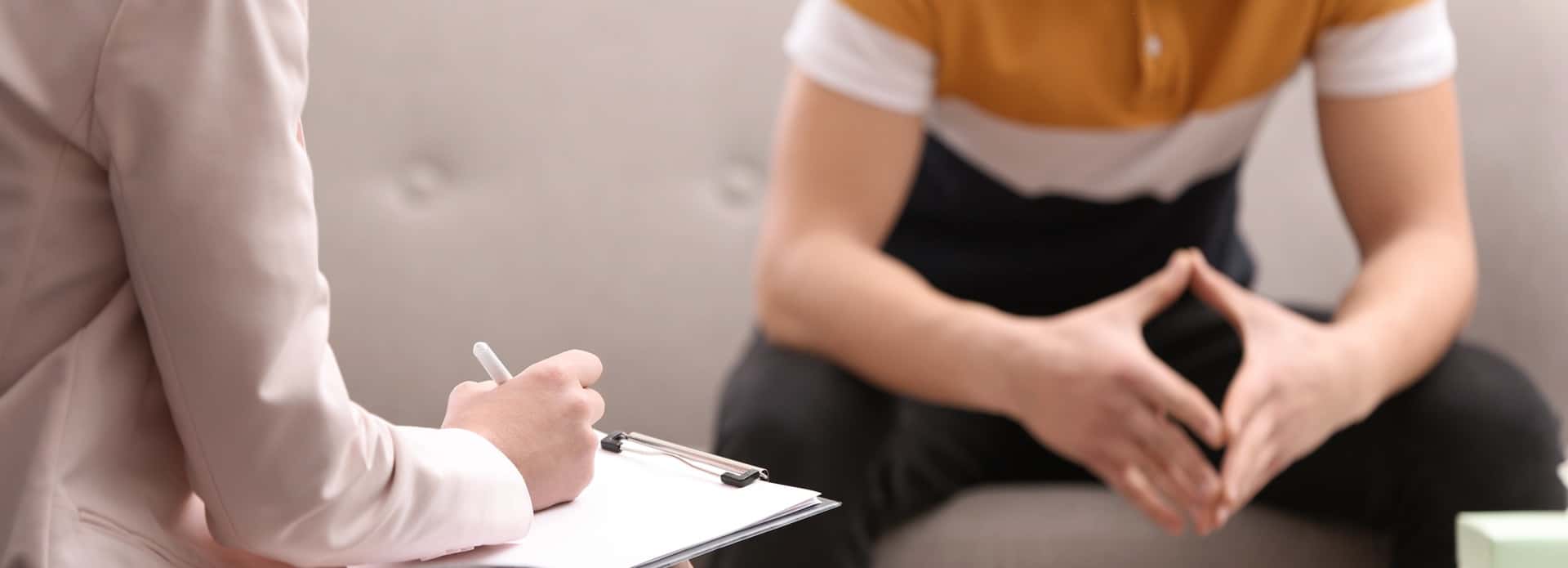
- Seek helpCounseling, support groups, or talking to a close family member or friend helps keep those feelings of being overwhelmed at bay. Processes such as cognitive behavioral therapy and mindfulness can help.
A doctor can advise on healthcare support available in your area. Volunteer groups are also a source of help and information on how to manage stress. Mental Health Europe has a list of national authorities that can provide assistance.
References:
- European Agency for Safety and Health at Work. European opinion poll on occupational safety and health 2013. Accessed January 2021. https://osha.europa.eu/en/facts-and-figures/european-opinion-polls-safety-and-health-work/european-opinion-poll-occupational-safety-and-health-2013
- Mental Health Europe. 10 ways to cope with stress during the pandemic. November 2020. Accessed January 2021. https://www.mhe-sme.org/10-ways-to-cope-with-stress-during-the-pandemic/
- Resilience Institute Europe. 30 ways to manage stress in the workplace. April 2019. Accessed January 2021. https://www.resilience-institute-europe.com/30-ways-to-manage-stress-in-the-workplace/
- World Health Organisation Regional Office for Europe. Stay physically active
- during self-quarantine. 2020. Accessed January 2021. https://www.euro.who.int/en/health-topics/health-emergencies/coronavirus-covid-19/publications-and-technical-guidance/noncommunicable-diseases/stay-physically-active-during-self-quarantine
- Carvalho KMB, Ronca DB, Michels N, et al. Does the Mediterranean Diet Protect against Stress-Induced Inflammatory Activation in European Adolescents? The HELENA Study. Nutrients. 2018;10(11):1770. Published 2018 Nov 15. doi:10.3390/nu10111770
- NHS England, 10 Stress Busters. https://www.nhs.uk/conditions/stress-anxiety-depression/reduce-stress/
- Mental Health Europe Helplines https://www.mhe-sme.org/library/helplines/