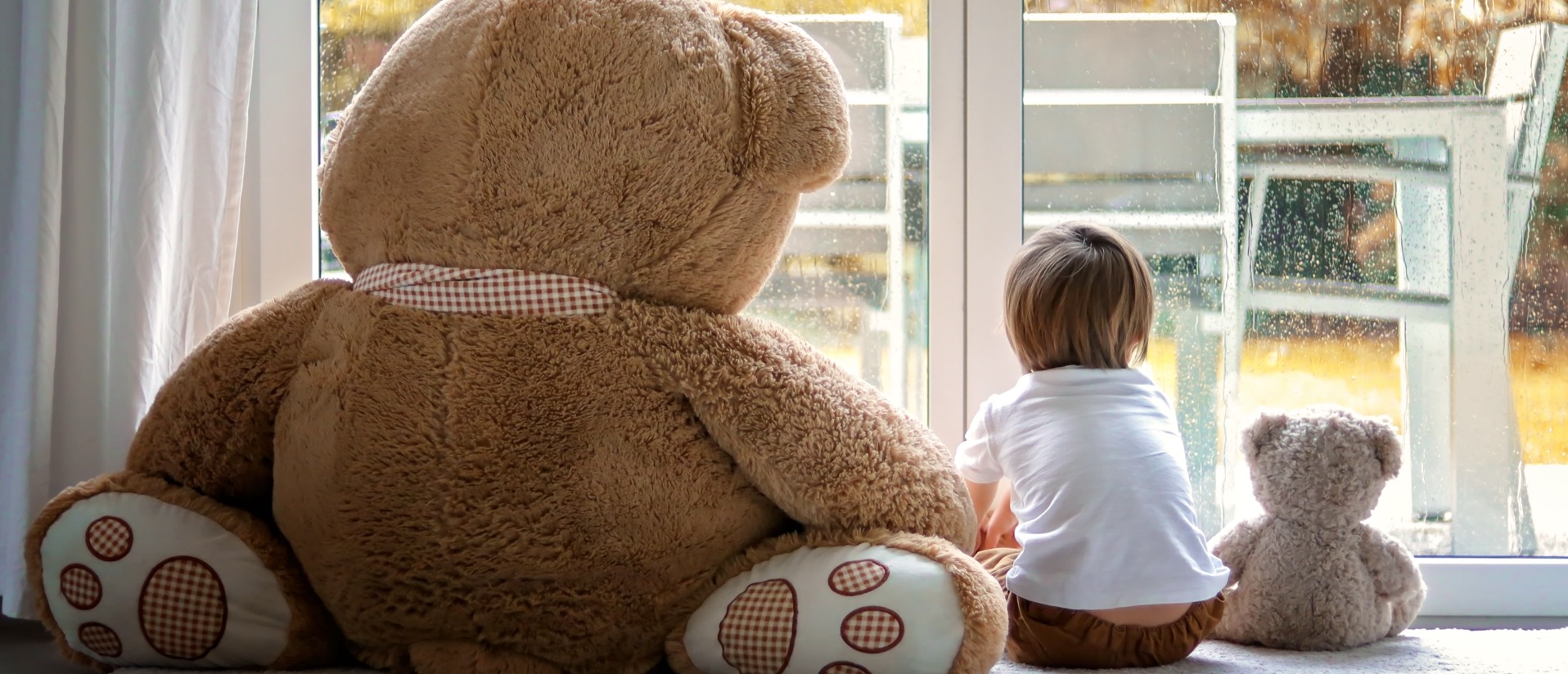
Seizures in children that cause brief loss of consciousness, staring blankly ahead, and not reacting to what is happening around them. The frequency and duration of the seizures are unpredictable, which can be worrying for parents and family members.
The syndrome begins between the ages of four and ten. By the age of twelve, most children will have outgrown these seizures.
The seizures can last from a few seconds to twenty seconds and may involve slight twitching of the eyelids, corners of the mouth, or other muscles. The twitching is often combined with involuntary movements such as licking lips, swallowing, or fumbling with clothes, along with paleness and dilated pupils.
A small number of children under 16 years of age with epilepsy will experience these seizures, but many seizures go unnoticed because they are fleeting and only last for a few seconds without the child being aware of them. Absence epilepsy in children affects about 8% of children with epilepsy.
The seizures can occur anywhere from 5 to 100 times a day, and while they generally do not have lasting effects, for a minority of children, they can interfere with attention and learning, which is why early diagnosis and treatment are recommended.
MRI and electroencephalography, combined with medical history, are often used to test for absence epilepsy, but doctors may also take blood tests and perform a deep breathing test to induce an absence seizure.
The cause of absence epilepsy in children is not fully understood, but it is believed to be largely genetic, and one in three children who are affected have a family history of similar seizures. The relationship between genetics and the unpredictable electrical activity in the brain is a complex subject and not fully understood.
Absence epilepsy in children is managed with medication. Around 10-15% of children will develop other types of seizures, but for more than 60%, the condition will resolve in adolescence.
Tips for parents and family
It may mistakenly appear as daydreaming
Absence epilepsy in children can involve staring blankly ahead and may appear as if the child is distracted or daydreaming. Consult with your doctor if you suspect your child may have absence epilepsy.
Stay calm
Do not shout – the child cannot hear you. Gently touch the child on the arm, but remember that the child may not respond within 20 seconds. No other action is needed.
Be aware
Observe what is happening, such as the eyelids fluttering, lips smacking, or the head or body falling forward. This information will help doctors make a diagnosis.
Be positive
A number of medications have been shown to be effective in controlling the seizures, so the condition can be managed. At least two out of three children with absence epilepsy respond to the medication, and the seizures tend to resolve in adolescence.
Explain and involve your child
Talk to your child about epilepsy, encourage questions, and be transparent and clear with your answers. By addressing it openly, much of the stress, fear, and worry can be reduced.
Provide knowledge to your child so they can explain the absence seizures to friends and others at school, helping to manage any misunderstandings in peer groups.
References:
- Panayiotopoulos CP. Typical absence seizures and their treatment. Arch Dis Child. 1999;81(4):351-355. doi:10.1136/adc.81.4.351
- Epilepsy Foundation. Childhood Absence Epilepsy. Accessed January 2021. https://www.epilepsy.com/learn/types-epilepsy-syndromes/childhood-absence-epilepsy